 UK
UK  PL
PL  EN
EN 


-
Got questions? Contact us
Aleje Jerozolimskie 146, 02-305 Warsaw, Poland
All Categories
 Thermal imaging monoculars
Thermal imaging monoculars
back Thermal imaging binoculars
Thermal imaging binoculars
back Thermal Clip-on
Thermal Clip-on
back Thermal imaging devices
Thermal imaging devices
back Drones
 Digital night vision devices
Digital night vision devices
back Optical devices
 Accessories
 Cameras
 Full Catalog
NVECTECH PATRIOT 2 L19 Thermal Monocular
Wide-angle thermal observation designed for rapid situational awareness
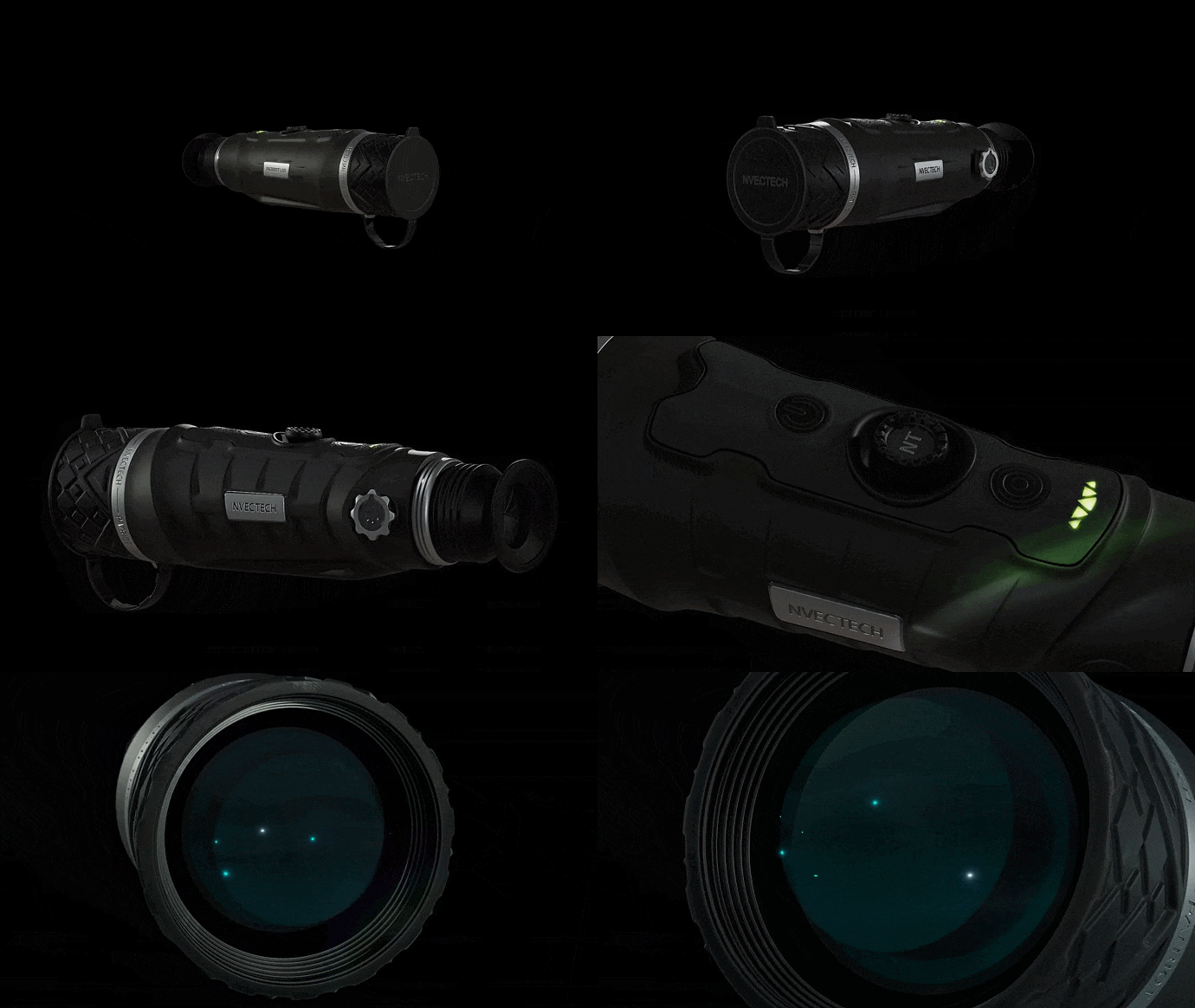
The NVECTECH PATRIOT 2 L19 thermal monocular is developed for dynamic observation tasks where fast scene recognition, spatial orientation, and dependable operation matter most. By combining a high-sensitivity VOx microbolometer, wide-angle optics, modern image processing, and intuitive field controls, this model provides clear thermal visualization across complex outdoor environments.
This configuration makes the PATRIOT 2 L19 one of the most responsive and mobility-oriented devices in the PATRIOT thermal observation range.
Within the PATRIOT series, the L19 version is designed as a mobile observation solution optimized for quick area assessment and broad situational monitoring. Its wide field of view helps users survey larger terrain sections more naturally, maintain scene awareness, and reduce visual fatigue during longer observation sessions.
Why Choose PATRIOT 2 L19
The NVECTECH PATRIOT 2 L19 thermal monocular is created for users who value fast scanning, stable thermal imaging, and comfortable long-duration use. Its wide optical layout, balanced sensor specification, and practical ergonomic design work together to deliver a smooth and confident observation experience.
-
wide field of view for efficient area scanning
-
balanced 384×288 sensor performance for stable live imaging
-
comfortable base magnification for natural scene perception
-
compact lightweight construction for mobile use
-
extended battery operation for longer observation sessions
This makes the PATRIOT 2 L19 a practical thermal monocular for users who prioritize wide-area awareness, mobility, and consistent observation performance.
Built for real outdoor use rather than controlled test conditions, the PATRIOT 2 L19 combines durable structural design, environmental sensor support, extended battery operation, and field-oriented ergonomics. The result is a versatile thermal observation device able to maintain reliable performance across changing weather, terrain, and visibility conditions.
High-Sensitivity VOx Thermal Sensor
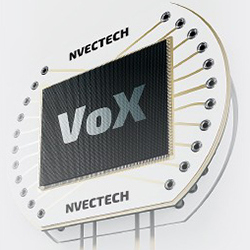
The NVECTECH PATRIOT 2 L19 thermal monocular is built around a sensitive VOx microbolometer sensor with NETD ≤18mK @300K, helping the device register minimal temperature differences and present clean thermal contrast in demanding observation environments.
The 384×288 resolution with 12 μm pixel pitch provides an effective balance of image detail, responsiveness, and power efficiency, making the monocular dependable for extended observation in real field conditions.
This sensor platform helps the PATRIOT 2 L19 maintain stable thermal perception when normal visual observation becomes limited by darkness, vegetation, fog, or terrain variation.
-
clear separation between heat signatures and background areas
-
stable thermal contrast in complex surroundings
-
accurate response to subtle temperature differences
-
consistent image clarity during long observation sessions
Combined with advanced image processing, the sensor forms the core of the PATRIOT 2 L19 thermal observation system.
19 mm Wide-Angle Observation Optics
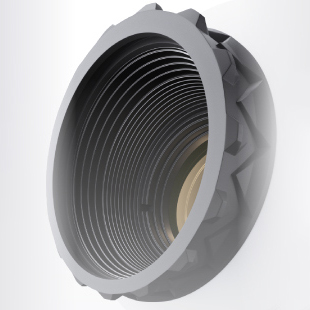
The 19 mm objective lens (F0.8) gives the PATRIOT 2 L19 a wide field of view of 13.8° × 10.4°, making the device especially effective for quick scanning and broad scene awareness.
This optical setup helps the user assess larger areas faster and notice thermal signatures across terrain, vegetation, and open spaces without constant repositioning.
The base 1.8× optical magnification together with continuous digital zoom up to 4× provides flexibility across different observation distances while preserving comfortable scene orientation.
-
wide thermal coverage for efficient area observation
-
fast scanning of surrounding terrain
-
effective tracking of moving heat sources
-
balanced magnification for scene awareness
This wide-angle optical layout makes the PATRIOT 2 L19 one of the most agile and observation-friendly models in the PATRIOT series.
Modern Digital Interface and Visual Presentation
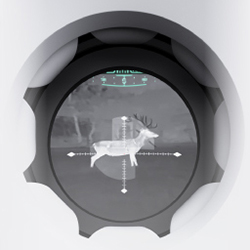
The PATRIOT 2 L19 thermal monocular features an updated digital interface created for quick navigation and intuitive use in real observation conditions.
The internal display system uses a 1024×768 AMOLED screen, providing sharp contrast, smooth thermal gradients, and comfortable viewing over extended periods.
The interface structure allows users to access observation modes, digital zoom, color palettes, and recording functions without interrupting the viewing process.
-
clear and responsive AMOLED display
-
optimized menu navigation
-
quick access to observation functions
-
stable image presentation in dynamic scenes
This visual system helps the PATRIOT 2 L19 maintain clear scene interpretation during extended observation sessions.
Integrated Environmental Sensors
The PATRIOT 2 L19 includes multiple environmental sensors developed to improve orientation and observation awareness.
The system integrates compass, azimuth, altitude, and temperature sensors, helping the user stay oriented and interpret surrounding conditions more effectively.
These sensors add useful contextual information that may support terrain navigation and observation data review.
-
integrated digital compass
-
azimuth and altitude measurement support
-
ambient temperature monitoring
-
enhanced environmental awareness
Together with thermal imaging capabilities, these functions make the PATRIOT 2 L19 a versatile observation tool.
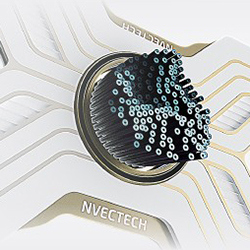
Ergonomic Joystick Control
The PATRIOT 2 L19 uses an ergonomic joystick control system designed for accurate and convenient operation in outdoor conditions.
The joystick enables quick navigation through settings, viewing modes, and image adjustments without relying on complicated button combinations.
This control layout improves handling comfort and reduces the time needed to change settings while continuing observation.
-
fast menu navigation
-
comfortable one-hand control
-
precise tactile feedback
-
efficient use in outdoor conditions
The intuitive control concept allows users to stay focused on observation instead of device management.
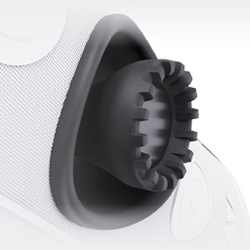
Precision Diopter Adjustment and Reinforced Components
The PATRIOT 2 L19 includes a precise diopter adjustment system that allows users to adapt the display to individual eyesight preferences.
The adjustment wheel is made with durable metal elements that also help protect key optical components.
This design supports dependable operation while preserving accurate optical alignment during extended use.
-
smooth and precise diopter adjustment
-
reinforced metal control elements
-
improved durability of optical components
-
stable viewing comfort for different users
These design details contribute to the overall dependability of the PATRIOT 2 L19 thermal monocular.
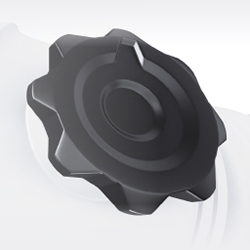
NVECTECH Engineering and Durable Construction
The PATRIOT 2 L19 is developed according to NVECTECH engineering principles focused on reliability, structural stability, and long-term performance.
The device body incorporates reinforced structural elements intended to protect internal optical and electronic components during demanding outdoor use.
The overall design maintains a practical balance between durability, compact size, and steady operation.
-
reinforced structural components
-
compact and balanced construction
-
stable performance in changing conditions
-
designed for long observation sessions
This engineering approach helps ensure dependable operation of the PATRIOT 2 L19 thermal monocular in real outdoor conditions.
Long Battery Life and Power Efficiency
The PATRIOT 2 L19 thermal monocular uses an internal dual 18650 lithium-ion battery system created for extended operating time.
The device can work for up to 20 hours on a single charge, supporting long observation sessions without frequent recharging.
An integrated battery indicator gives the user quick visual information about the remaining power level.
-
extended operating time up to 20 hours
-
efficient internal lithium battery system
-
clear battery status indication
-
stable power management
This power system helps the PATRIOT 2 L19 stay ready for extended observation periods.
Balanced Mobility and Observation Confidence
The NVECTECH PATRIOT 2 L19 thermal monocular represents a carefully balanced combination of wide-area perception, detection capability, ergonomic comfort, and dependable field performance.
Its optical configuration, responsive sensor system, and durable construction support efficient observation workflows in dynamic environments where scene awareness and stable thermal interpretation are important.
As part of the NVECTECH thermal ecosystem, the PATRIOT 2 L19 delivers reliable performance aligned with modern professional expectations and evolving observation requirements.
Comments
Please log in to write comments.
| Manufacturer | NVECTECH |
| Manufacturer code | 5907167356009 |
| Manufacturer Logo |

|
| SKU | 10007 |
| Lens (mm) | 19 |
| Light sensitivity | F0,8 |
| Field of view | 13.8°x10.4° |
| Optical zoom | 1.8x |
| Digital zoom | 1x-4x |
| Sensitivity (NETD) | ≤18mK |
| Sensor resolution | 384x288 |
| Pixel size (μm) | 12 |
| Detection range (m) | 1200 |
| Rangefinder | None |
| Diopter adjustment | from -5 to +5 |
| Frame rate (Hz) | 50 |
| Spectral range (μm) | 8~14 |
| Display type | AMOLED |
| Display resolution | 1024x768 |
| Battery life | 20 hours |
| Battery type | 2x18650 |
| Built-in memory | 64Gb |
| Operating temperature | from -25°C to +55°C |
| Series | Patriot 2 |
| Material | Aluminium alloy, Rubber, Plastic |
| Wi-Fi | Yes |
| Ingress protection | IP67 |
| Device weight (g) | 550 |
| Device dimensions (mm) | 67x66x221 |
| Warranty (months) | 24 |
JoomShopping Download & Support